
Vietnam's Food Production Sector in the Era of BEPS 2.0: Navigating the 15% Global Minimum Tax

Updated: Aug 13, 2025
For years, Vietnam was where food multinationals came for growth. But in 2024, a new rule challenges not just profits — but their very operating models.
Vietnam is entering a new investment chapter as it enforces the 15% global minimum tax starting January 2024 under the OECD/G20's BEPS 2.0 Pillar Two initiative.
For international food producers, Vietnam has long offered a competitive advantage through low tax incentives, a strategic location and a skilled labor force. However, the landscape is changing.
Why does this matter? The food production sector, especially multinationals in processing, packaging and distribution, often rely on favorable tax policies and supply chain efficiencies. Under BEPS 2.0, these strategies now require reevaluation.
What Is BEPS 2.0 and the 15% Global Minimum Tax?
Understanding the Pillar Two Rules
Applies to multinational enterprises (MNEs) with consolidated revenues of EUR 750 million or more
Enforces a 15% effective tax rate (ETR) on global profits
Any jurisdiction with an ETR below 15% triggers a "top-up tax" to meet the threshold
Specific Implications for Vietnam
Vietnam-based subsidiaries of MNEs may now face additional tax liabilities abroad
Traditional tax holidays or investment incentives become less relevant under the new rules
Domestic firms expanding globally may need to enhance global tax reporting systems and governance
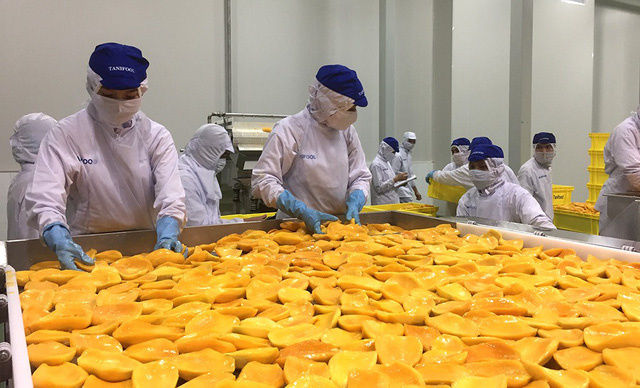
Food Sector Snapshot: Vietnam's Appeal to Global Producers
Why Food Giants Invested in Vietnam
A strong agricultural base (e.g., rice, seafood, fruits)
Low labor costs
Food processing is ameliorating.
Major players include Nestlé, Cargill, CJ Foods and Marubeni.
Recent FDI Highlights
FDI in food and beverage manufacturing reached USD 1.2 billion in 2023
Nestlé Vietnam announced a USD 100 million expansion in Dong Nai
CJ Foods increased capacity for processed seafood exports
How BEPS 2.0 Reshapes Food Production Strategies
Rethinking Site Selection and Supply Chains
Multinationals may relocate high-margin operations to jurisdictions where the total ETR meets the 15% requirement. Lower-value activities such as raw material sourcing may remain in Vietnam. IP-heavy functions (e.g., branding, R&D) could shift to higher-tax jurisdictions.
Transfer Pricing Gets More Complex
Inter-company transactions must comply with arm’s length pricing principles. Enhanced transfer pricing documentation must align with Pillar Two disclosures. Tax authorities are expected to dem and more transparency and real-time data.
Incentives Must Be Rethought
Special Economic Zones (SEZs) offering tax holidays may be neutralized by the top-up tax. Non-tax incentives such as infrastructure, logistics and R&D support gain new importance in site selection. Vietnam must shift its FDI attraction strategy beyond traditional tax perks.
Strategic Compliance Roadmap for Food Producers
Step 1: Evaluate Current Tax Exposure
Conduct an ETR simulation across all operating jurisdictions. Identify gaps where Vietnam-based operations fall below the 15% ETR threshold.
Step 2: Build Robust Digital Tax Systems
Improve real-time reporting and compliance tracking, especially for intercompany transactions. Adopt software and platforms that align with OECD's Global Anti-Base Erosion (GloBE) Model Rules.
Step 3: Collaborate With Local and Global Advisors
Seek guidance from BEPS-specialized consulting firms (e.g., EY, PwC, KPMG). Leverage updates from Vietnam's General Department of Taxation and regional legal frameworks.
Nestlé's Adaptive Strategy
Nestlé Vietnam is reportedly upgrading its digital tax and transfer pricing systems to comply with BEPS 2.0. While continuing to benefit from Vietnam’s efficient supply chain and labor advantages, Nestlé is also reallocating certain high-margin functions to higher-tax jurisdictions. This strategy helps minimize exposure to top-up taxes while maintaining core operations in Vietnam.
Tax Fairness Meets Food Security
“For global food producers, the next decade in Vietnam won’t be shaped by tax breaks — but by those who dare to redesign their value chain.”
The global minimum tax under BEPS 2.0 does not eliminate Vietnam’s appeal as a food production hub—but it demands smarter strategies from investors.
Key takeaways for global food producers:
Tax compliance is becoming a competitive advantage
Vietnam remains viable, but companies must adapt to the new tax l andscape
Long-term sustainability will depend more on operational excellence than on tax relief


Comments